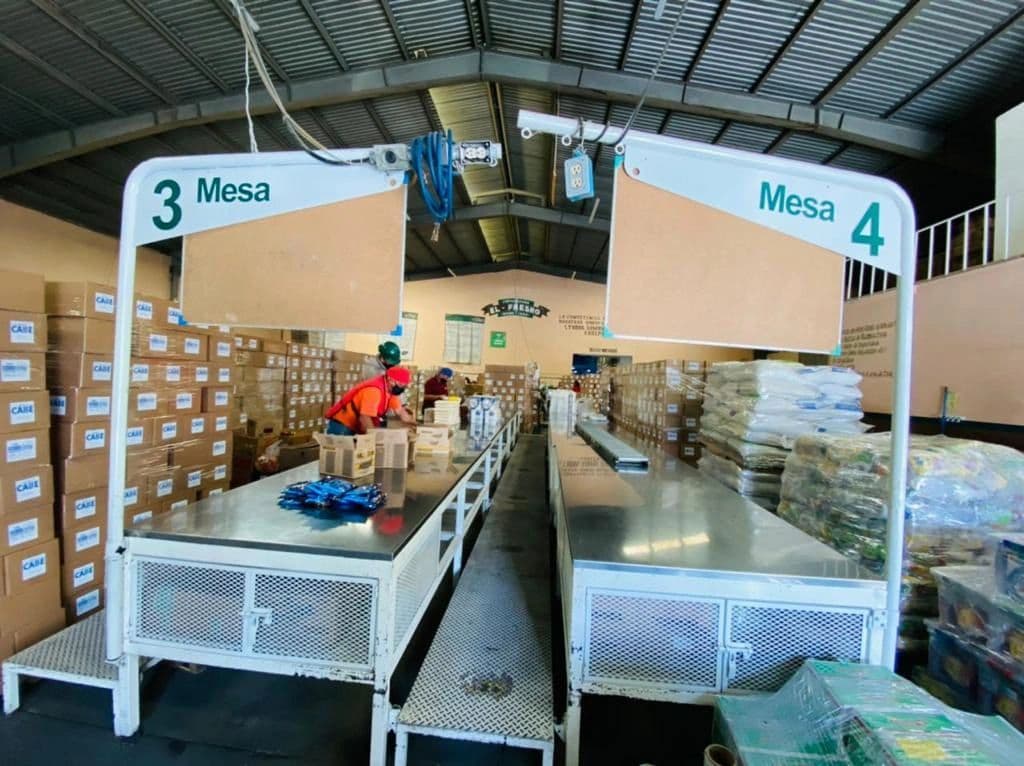
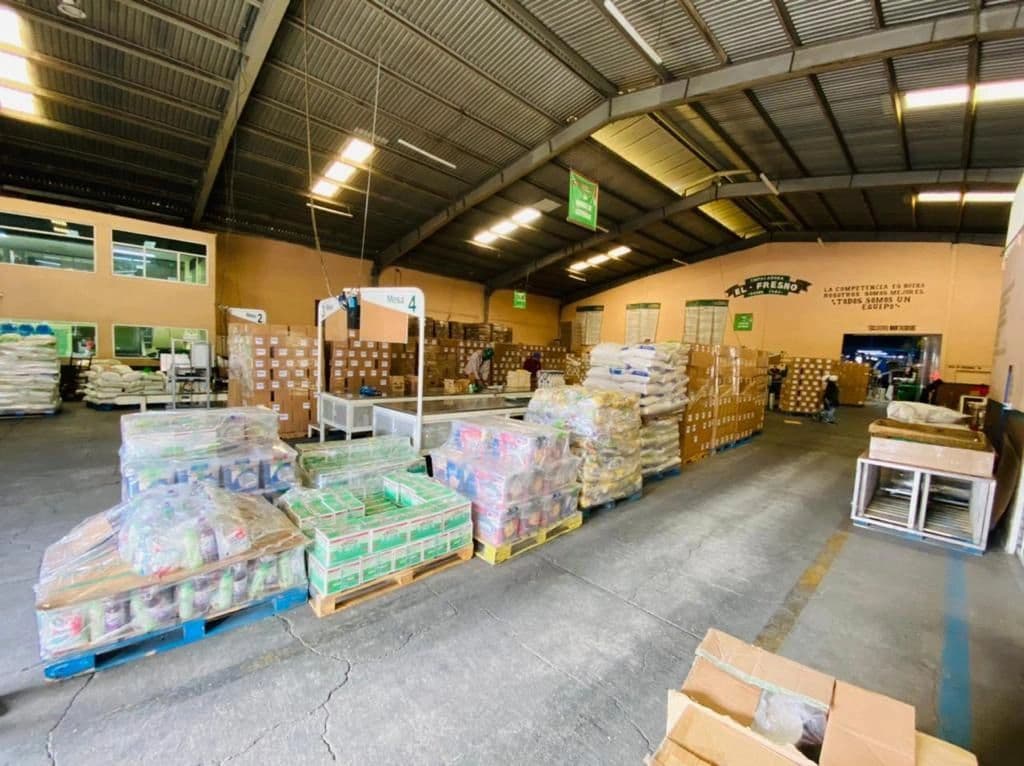
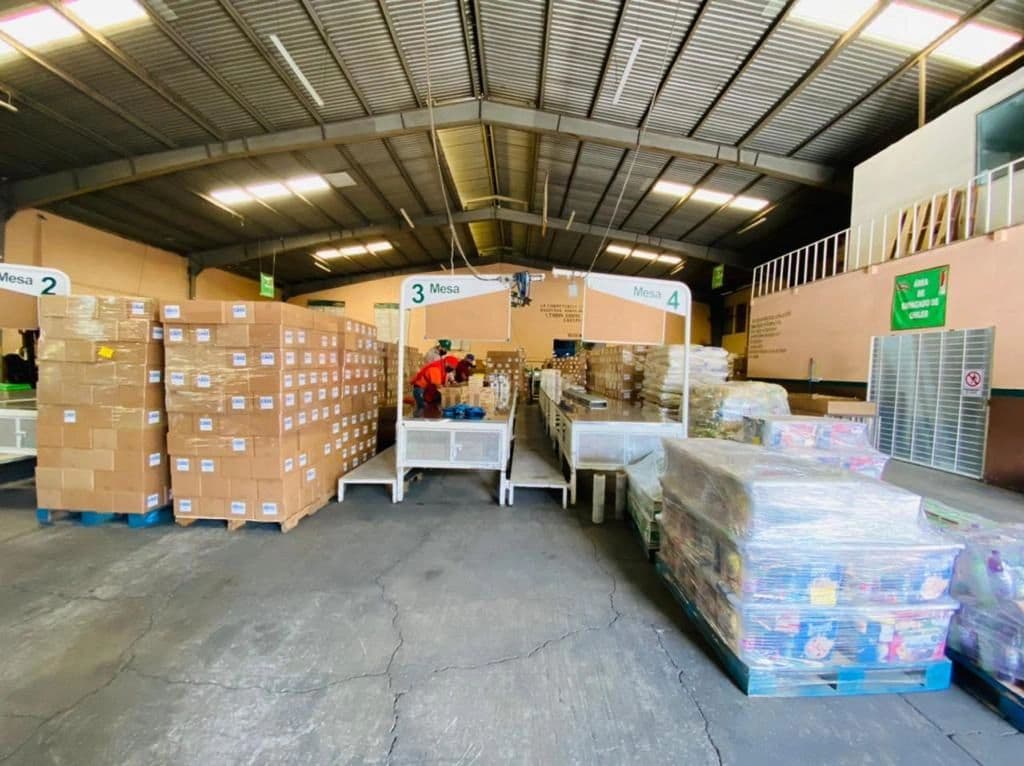
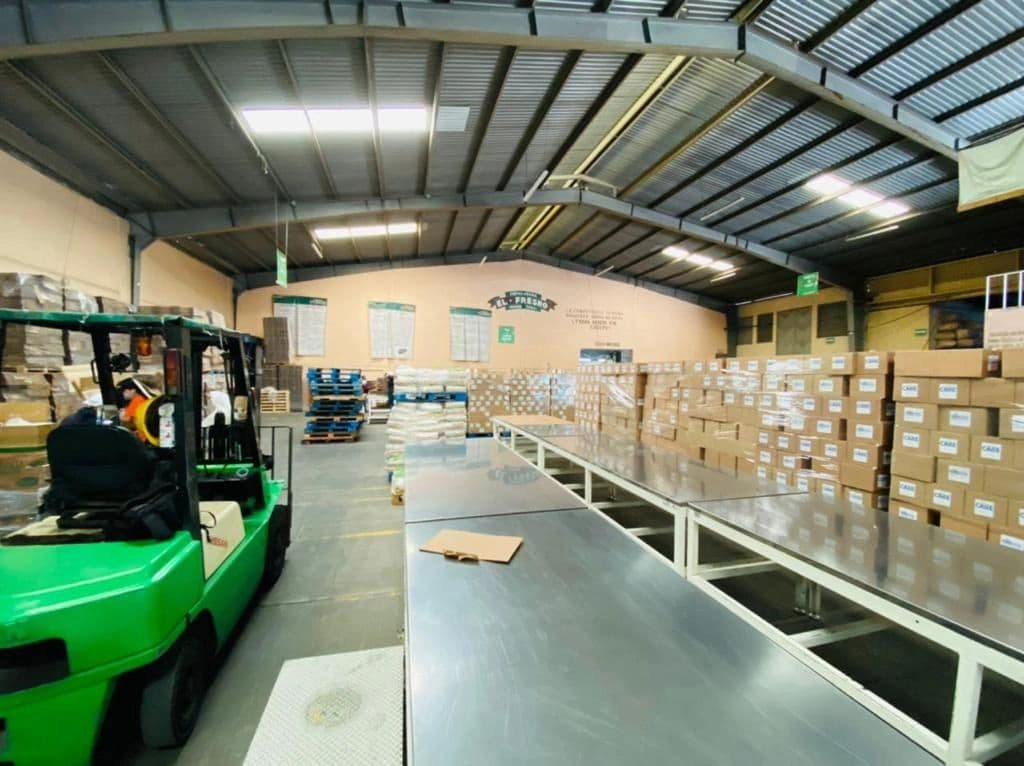
Feeding the Hungry
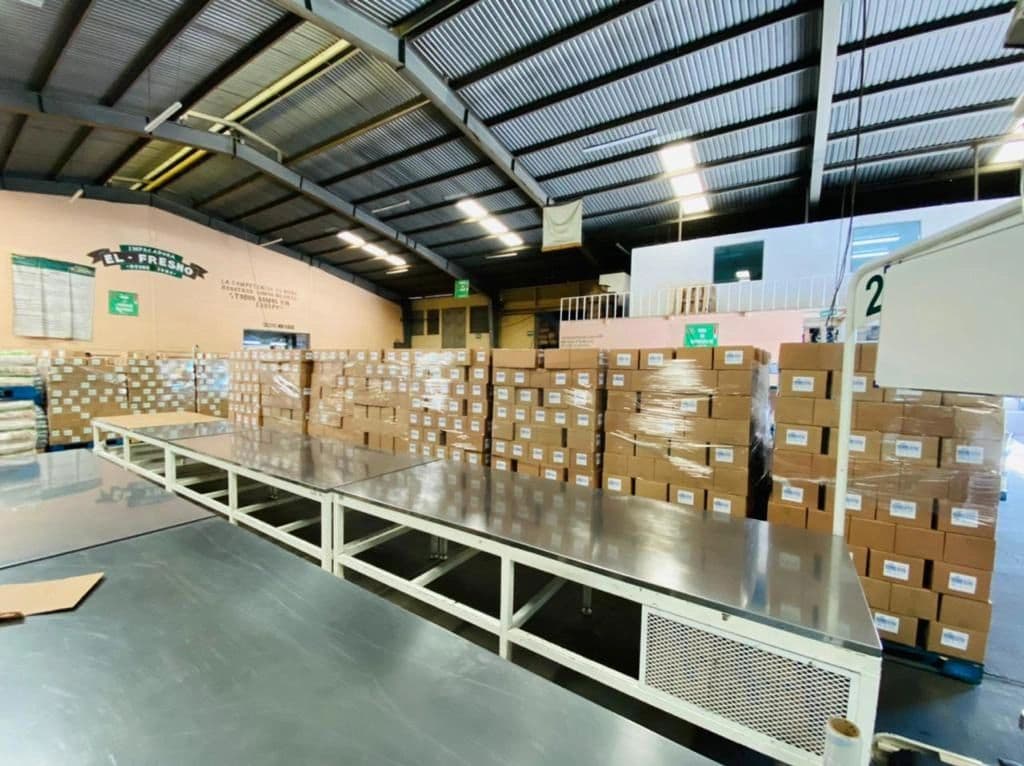
Operates in coordination with regional food banks to close gaps in school breakfast coverage and emergency pantry inventory during seasonal demand spikes. Distribution is logistic — never gated by intake screening.
Each program is listed with its operating region, year launched, and a brief on how the foundation participates. Anchors are linked from the home and footer indexes.
Operational records from program rotations. Not stock.
Faces of staff and partners are shown with consent on file.
Operates in coordination with regional food banks to close gaps in school breakfast coverage and emergency pantry inventory during seasonal demand spikes. Distribution is logistic — never gated by intake screening.
Co-designed with tribal IT offices. The foundation underwrites build-out for last-mile connectivity that commercial carriers decline to serve, then transfers ownership of the network to the nation on completion.
An ethnobotany and clinical-practice partnership program. Knowledge is recorded under explicit licenses controlled by the originating community — never extracted, never patented by the foundation.
Infrastructure assistance focused on point-of-use filtration and small-scale water-tower siting. Operations and maintenance training is included in every deployment.
Pairs short-term transitional housing with vocational placement, peer support, and VA benefit navigation — staffed primarily by veterans.
Two-person clinic teams operate on a regional rotation, providing intake, triage, and basic chronic-condition follow-up at preset community waypoints.
Inventory is pre-staged in coordination with regional partners. The foundation activates supply movement and field staff within 72 hours of an official declaration.
Co-staffed with resettlement agencies. Wraps housing placement with the legal-aid intake and language access that most families lose in the first six months after arrival.
Teachers in qualifying districts apply once; supplies are shipped each August. No reimbursement model — supplies are direct, in-kind, on the school address.
A volunteer-led check-in routine paired with quarterly home safety audits. Operates as a complement, not a replacement, for state Area Agency on Aging services.
Cohort-based, with field mentors drawn from program alumni and partner organizations. Curriculum spans civic literacy, project design, and small-enterprise fundamentals.
Stays are time-limited (90 to 180 days) with active case management toward permanent placement. Maintained as a network of small-footprint sites rather than one shelter.
The foundation supplies equipment, archival hosting, and linguistic consultation. Recordings and curriculum remain under the originating community's authority.